Cashel Tidy Towns Heritage Walk – A Stroll Through Herb Magic
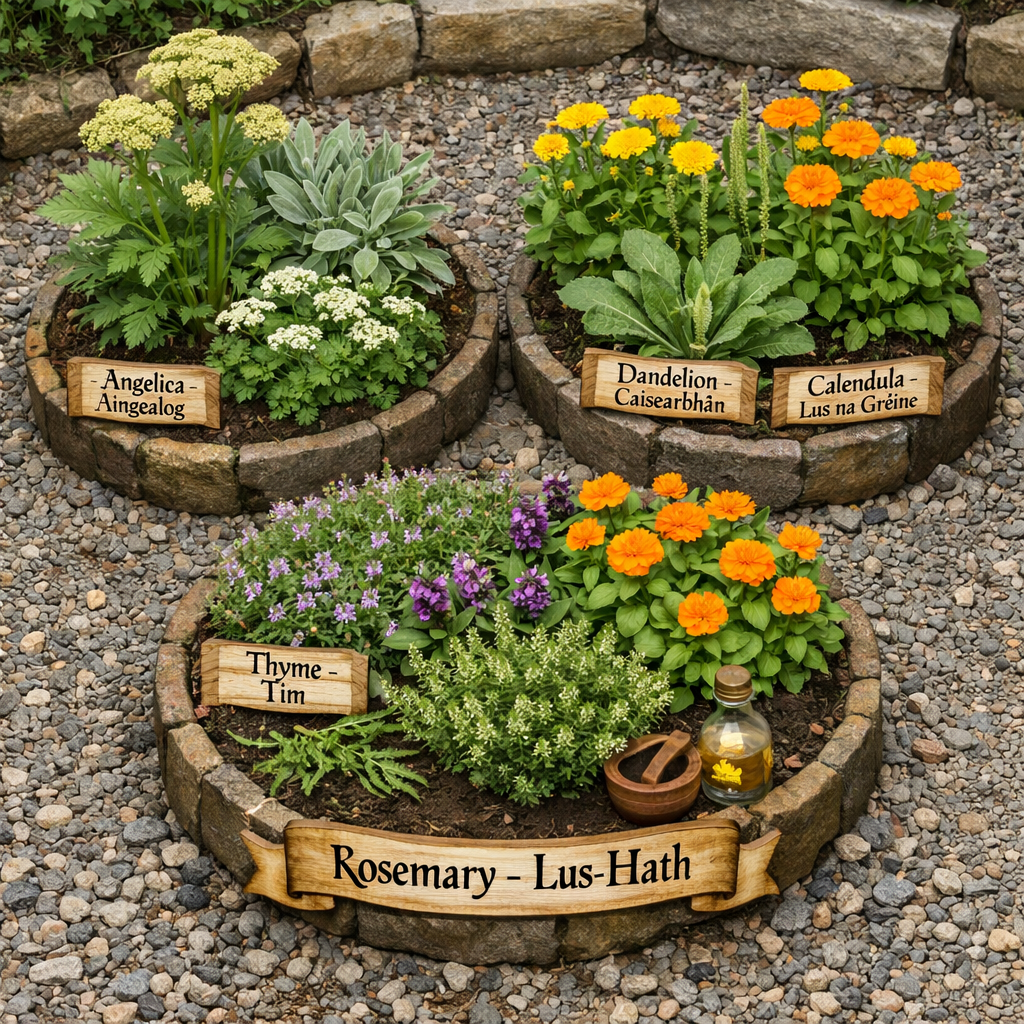
Wander through Cashel and step back to a time when herbs were the town’s flavour, medicine cabinet and secret spellbook. Medieval Ireland didn’t just grow plants — it relied on them. Every leaf had a job: to season a stew, soothe a wound, spark a romance or give someone a little extra courage.
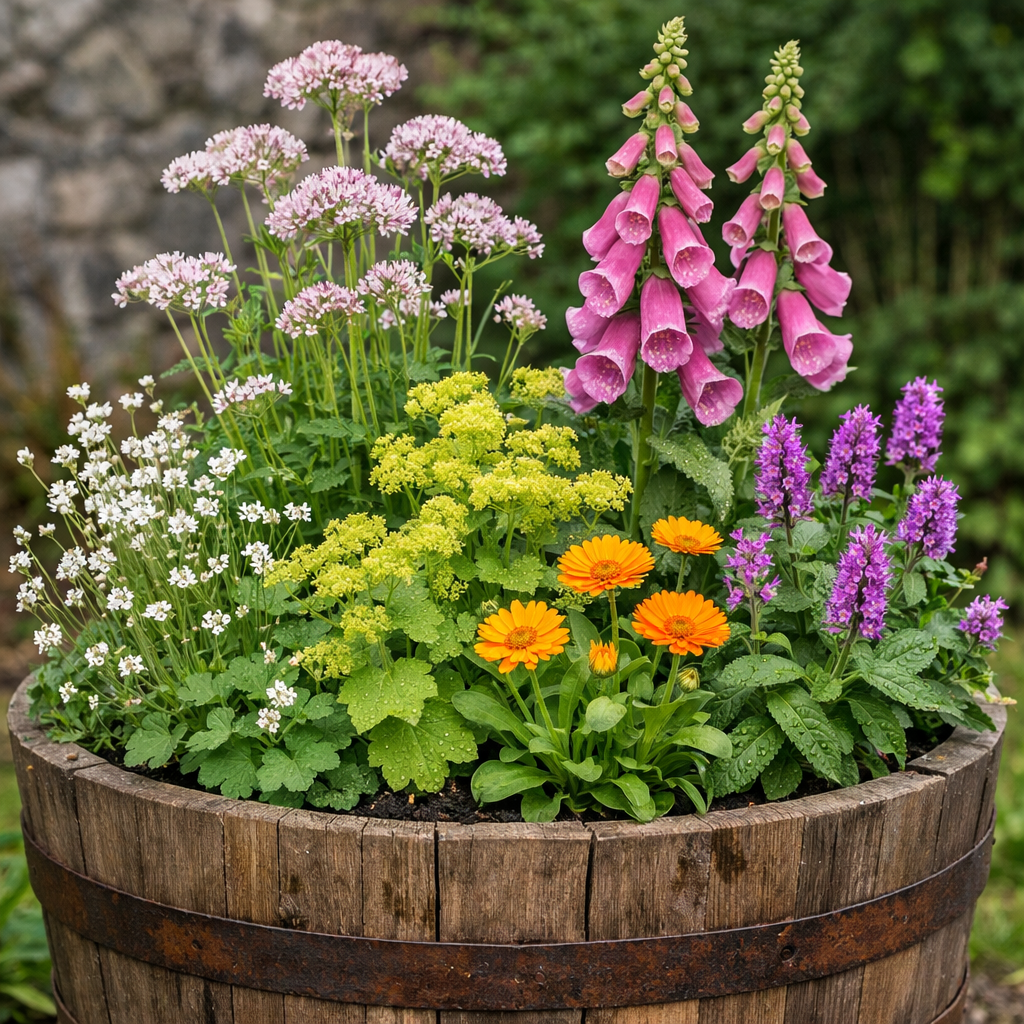
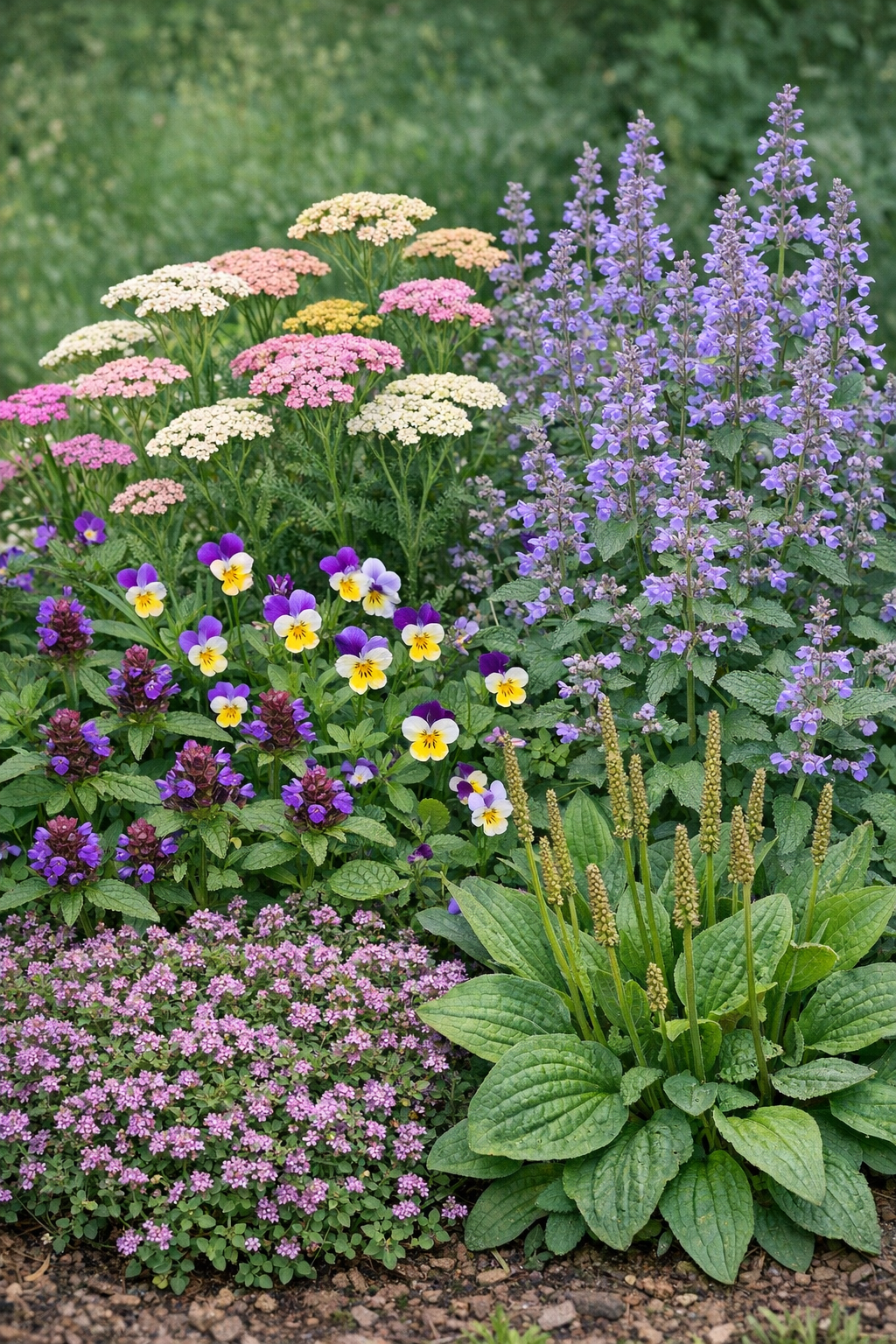
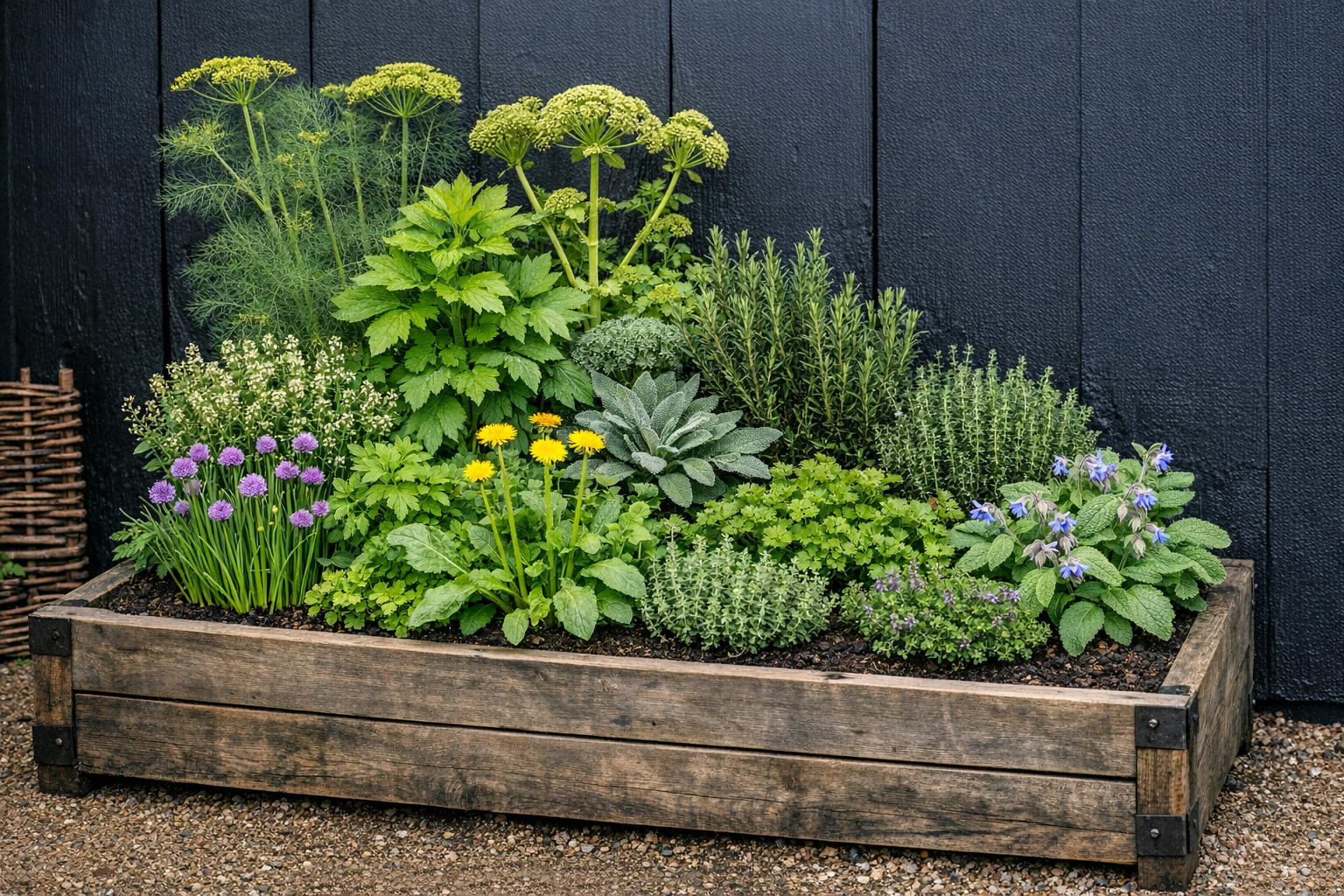
Along the Heritage Walk, you’ll meet the herbs that fed both kings and farmers — sage, thyme, fennel and lovage adding depth to broths long before stock cubes were a twinkle in anyone’s eye. You’ll also find the healing heroes — yarrow, plantain and self-heal — the medieval first-aid kit for cuts, fevers and frayed nerves.
And of course, there’s the folklore. Some herbs were brewed into love potions, others carried for strength and bravery, and many were tucked into doorways or pockets simply to keep life’s mischief at bay.
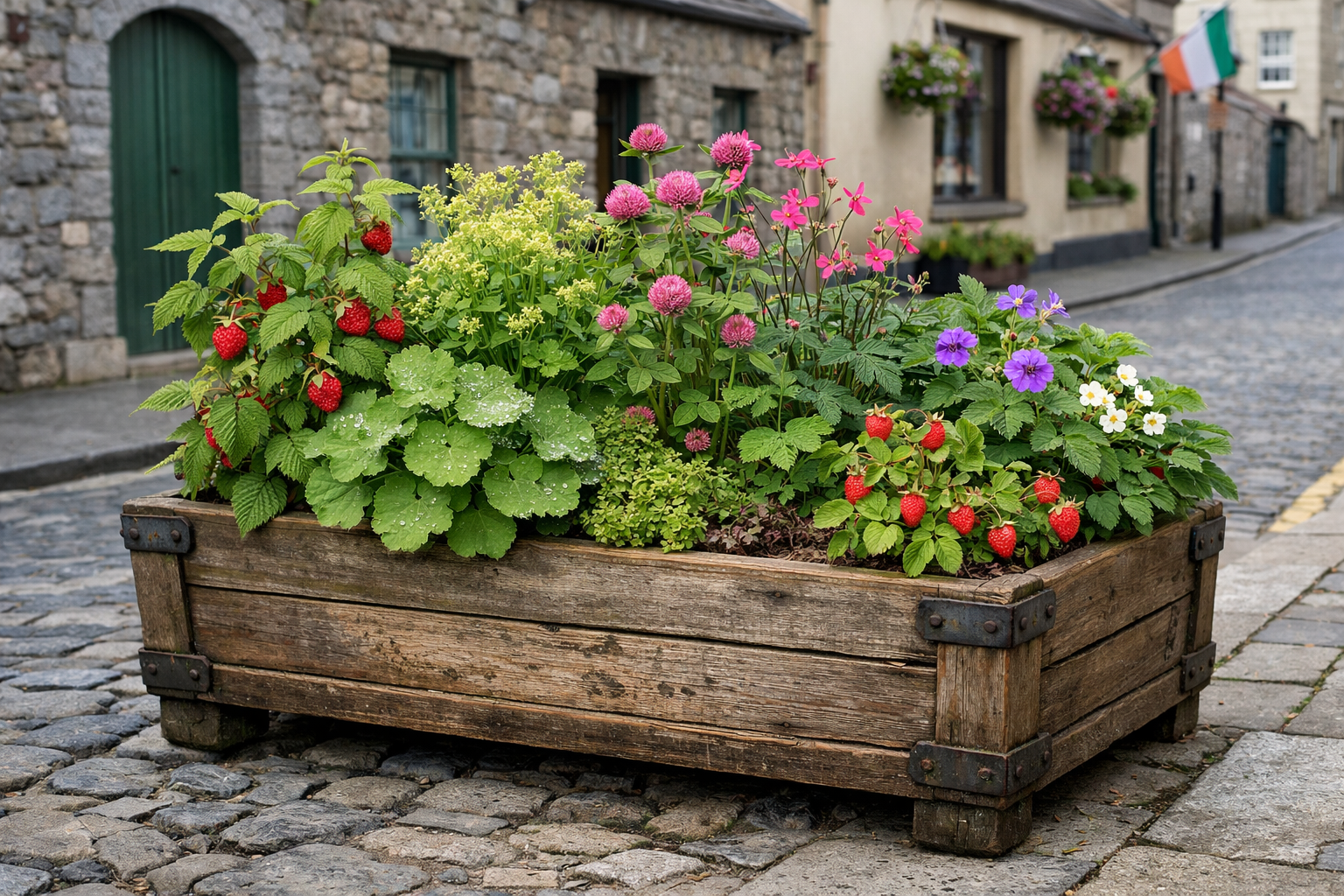
This walk brings those stories back to life, blending biodiversity with a dash of medieval charm. It’s Cashel’s past, blooming right in front of you.
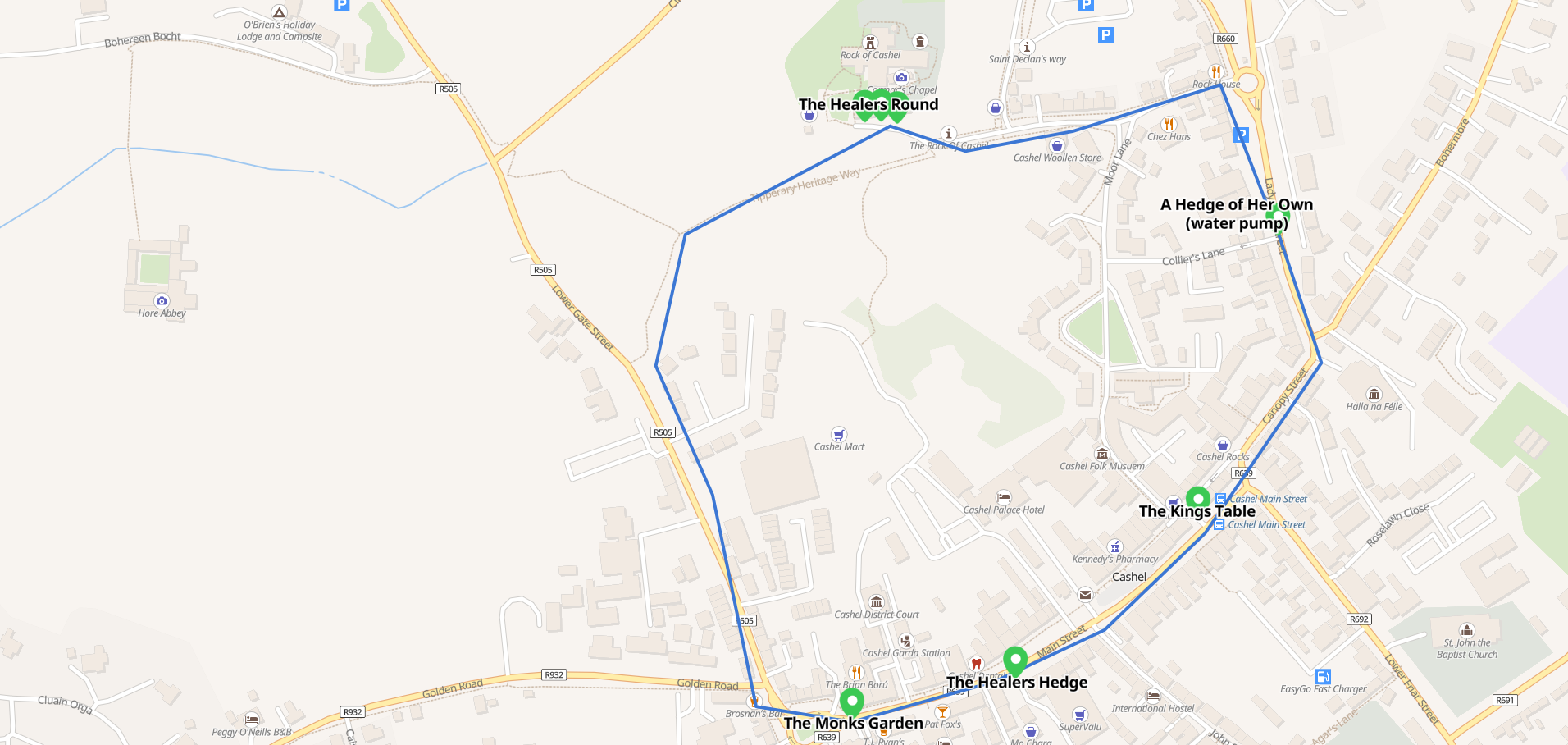
There are 5 points marked on the map attached. It is recommended that you start at the rock of Cashel and walk down Bothar Na Marbh, turning left at the end of this lane towards the town and from there to the main street. See the attached map for the suggested route